What the new mastery of information networks might lead us into
Where Yuval Noah Harari argues the most important force shaping human history is information networks
06/04/2026

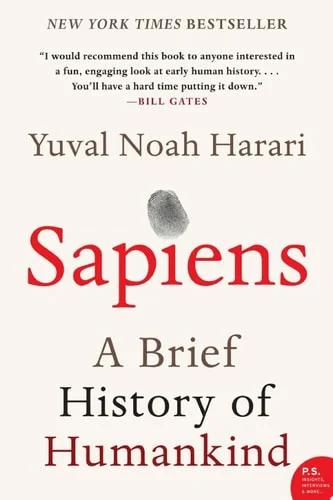
Sapiens was a hit and for a good reason: Yuval is a master at telling compelling stories that span eons of human evolution with simple words that keeps you hooked. Nexus is to a certain extent a recapture of the Human history through the prism of information networks, without the organic feel that Nexus had for sure, yet it draws a cosmogonic picture of the unique capacity of homo sapiens to circulate, restrict and use information at a group level. It also tries to extrapolate its teleology in lights of the recent advancements in AI, and, somewhere between the fear of the autocratic doomsday and a salutary continuation of our science based community driven approval or censorship of information flux, lies the tension of this book.
"If we are so wise, why are we so stupid?"
One of the most successful historians in the last decade in the art of vulgarising his unique perspective on the current issues the world is facing by using his deep understanding of the way history tends to write - and rewrite - itself. His 'Sapiens' book is a bestseller for a reason: the historian knows how to tell a good story, hell he theorises - he's not the first obviously - that the first glue for societies beyond a certain number of constituents is stories elevated to a myth status. It was only right I jumped on his first official foray into AI as it is the hot topic in 2024, and he does it with his unique perspective that takes into account what we as humans tend to excel, or fail at.
What is information? How does it flow in a human groups, collectives, countries, empires or civilizations?
It is important to define intelligence, to delineate what we so call artificial intelligence and how information plays with both these concepts on the grand scale of things. One might think artificial intelligence is the next step to the collective tools we have been using since the cognitive revolution and the ever growing body of knowledge we've acquired, fostered and put lately into binary form, albeit programmed. Nothing can be farther from the truth, artificial intelligence is a completely different beast .
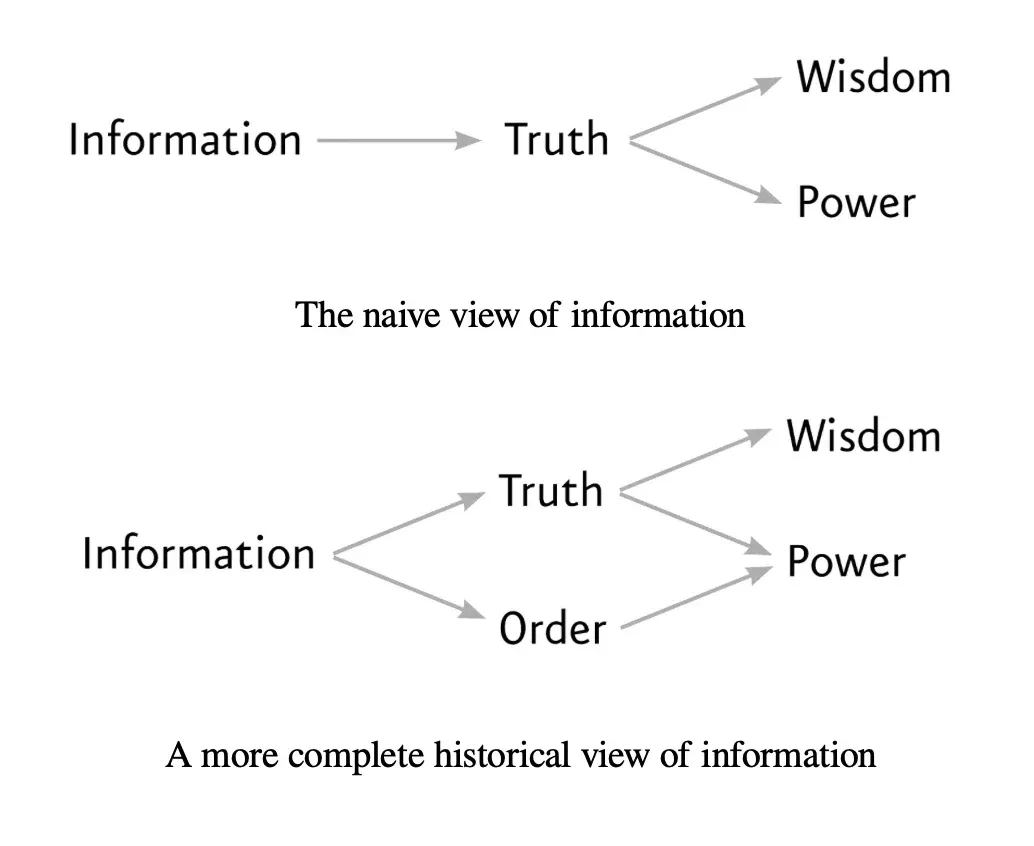
"The naïve view information" stipulates the more information we have the better we use it and profit from it.
Subscribe to continue reading
Peakub is a home for creators, publishers, and teams to publish, grow, and monetize their work — all in one place. We're building a fast, privacy‑respecting platform that helps you focus on your craft while Peakub handles the plumbing — from content tooling to delivery and analytics.